
Published July 6, 2026
Porch Sitting and Air Conditioning

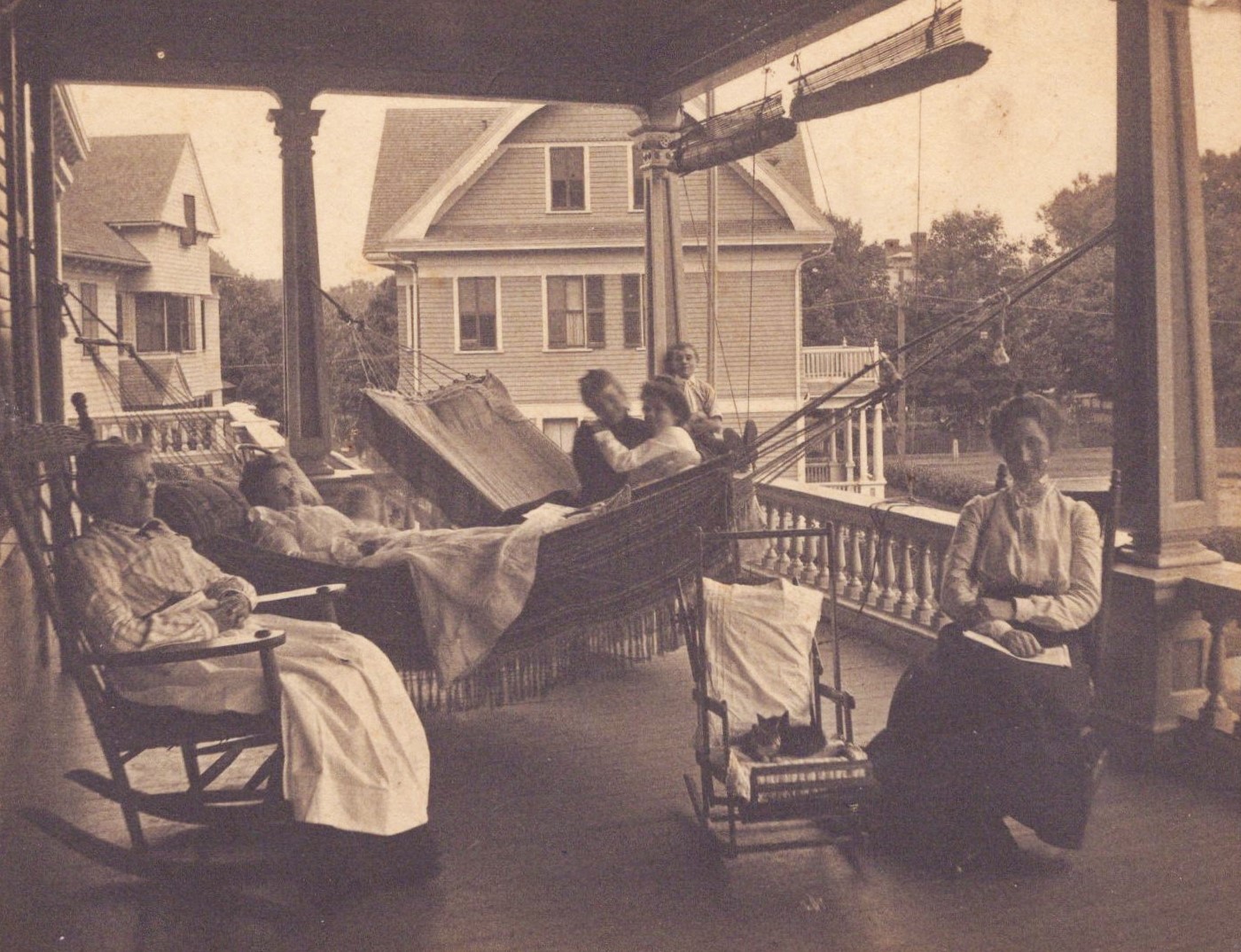
Why Charleston's Porches Still Matter
For generations, porches were the center of Southern life. Families gathered there after supper, neighbors stopped by to talk, and long summer evenings unfolded in rocking chairs and porch swings.
The porch wasn't just part of the house---it was where life happened and it still does at my house. Almost every evening, regardless of the weather, I am drawn to my porches. All my friends and neighbors know where to find me most anytime during the year. When I was growing up I slept on my Aunt Mae's porch during the summer which served as my sleeping room. Every time I ride down Magnolia Avenue in the city's North Central neighborhood I am happy to see the porch has not changed.
Today, that tradition has faded in many places. Air conditioning, more than almost anything else, helped move daily life indoors.
In Charleston, however, porches remain part of the city's identity. That raises a simple question:
How Did Air Conditioning Change the South?
Southern homes were once designed around heat and humidity.
High ceilings helped hot air rise. Large windows encouraged airflow. Deep porches and shade trees cooled homes naturally. Houses were often positioned to catch breezes.
These design choices shaped daily life. People spent more time outside, and homes stayed closely connected to their surroundings.
Then air conditioning arrived.
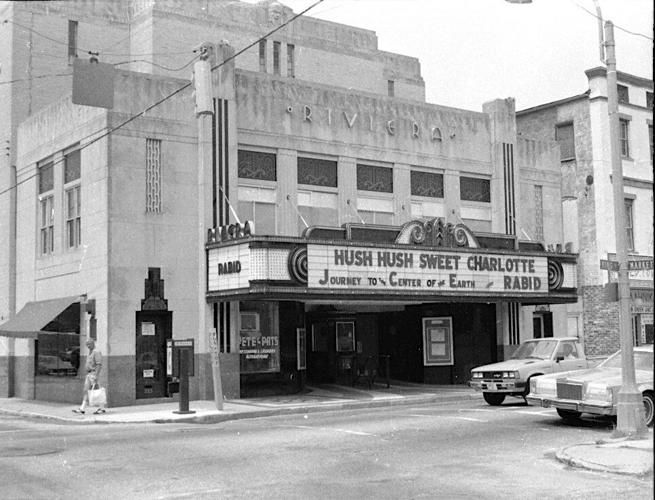
Invented in 1902, air conditioning first reached the public in movie theaters during the 1920s. Theaters promoted themselves as cool escapes from summer heat, sometimes advertising temperatures "20 degrees cooler inside." Don't you love going to the movie theater in the middle of a long hot summer day?
Air-conditioned trains, hotels, and offices followed. Over time, homes joined in.
What began as comfort quickly became a cultural shift.
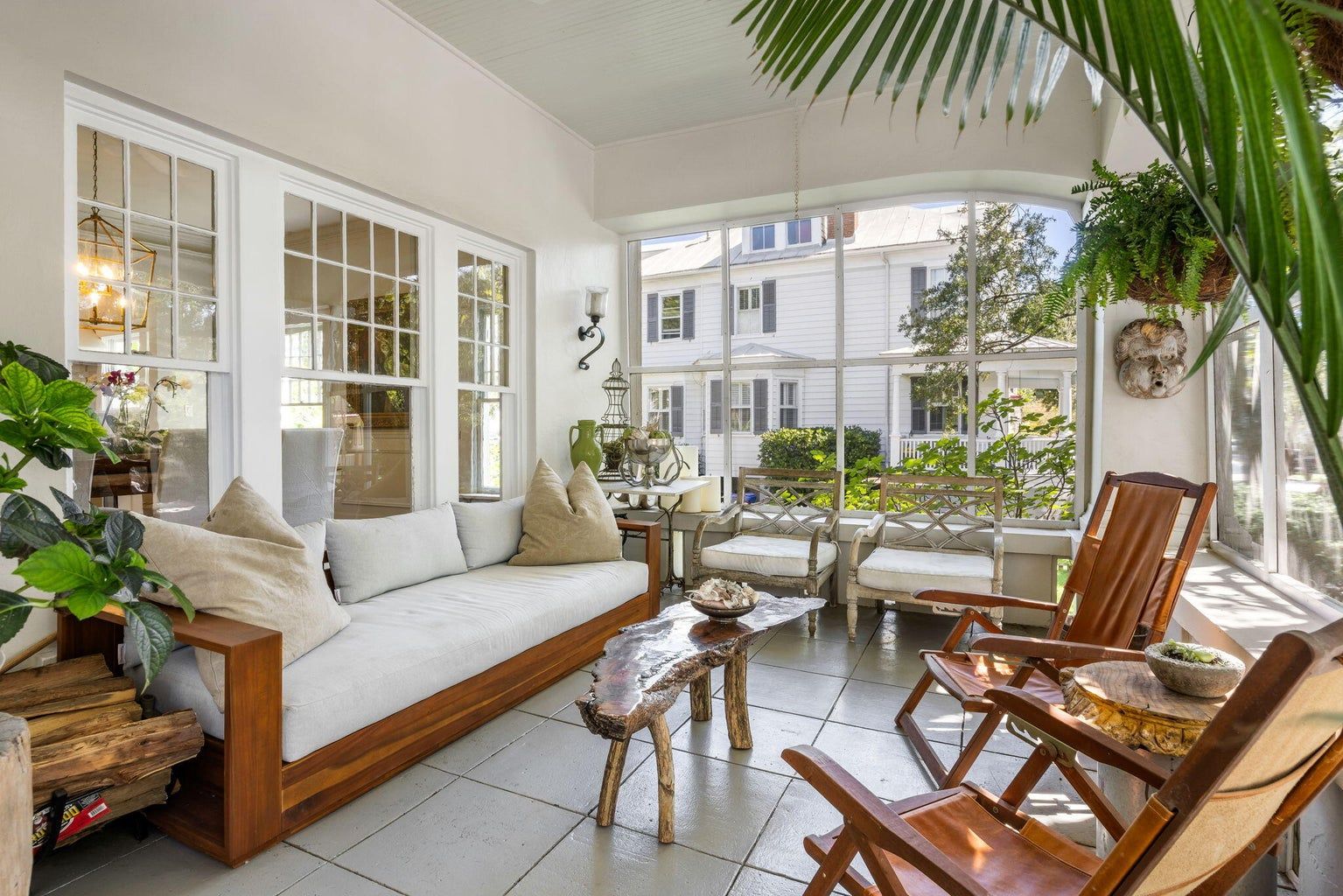
16 Halsey Street Seller Representation 2025
How Air Conditioning Changed Home Design and the Work Place
Air conditioning helped reshape the region in major ways.
The 1970 census--often called the "Air-Conditioned Census"--marked a turning point, as more people moved into the South than left it. Comfort in extreme summers made Southern cities more attractive to both residents and businesses. It also supported economic growth by making factories, offices, and stores more productive year-round.
As air conditioning spread, home design changed. Porches became less necessary. Windows shrank. Ceilings lowered. Homes turned inward, relying on mechanical cooling instead of natural airflow. Many of the features that once defined Southern architecture slowly disappeared.
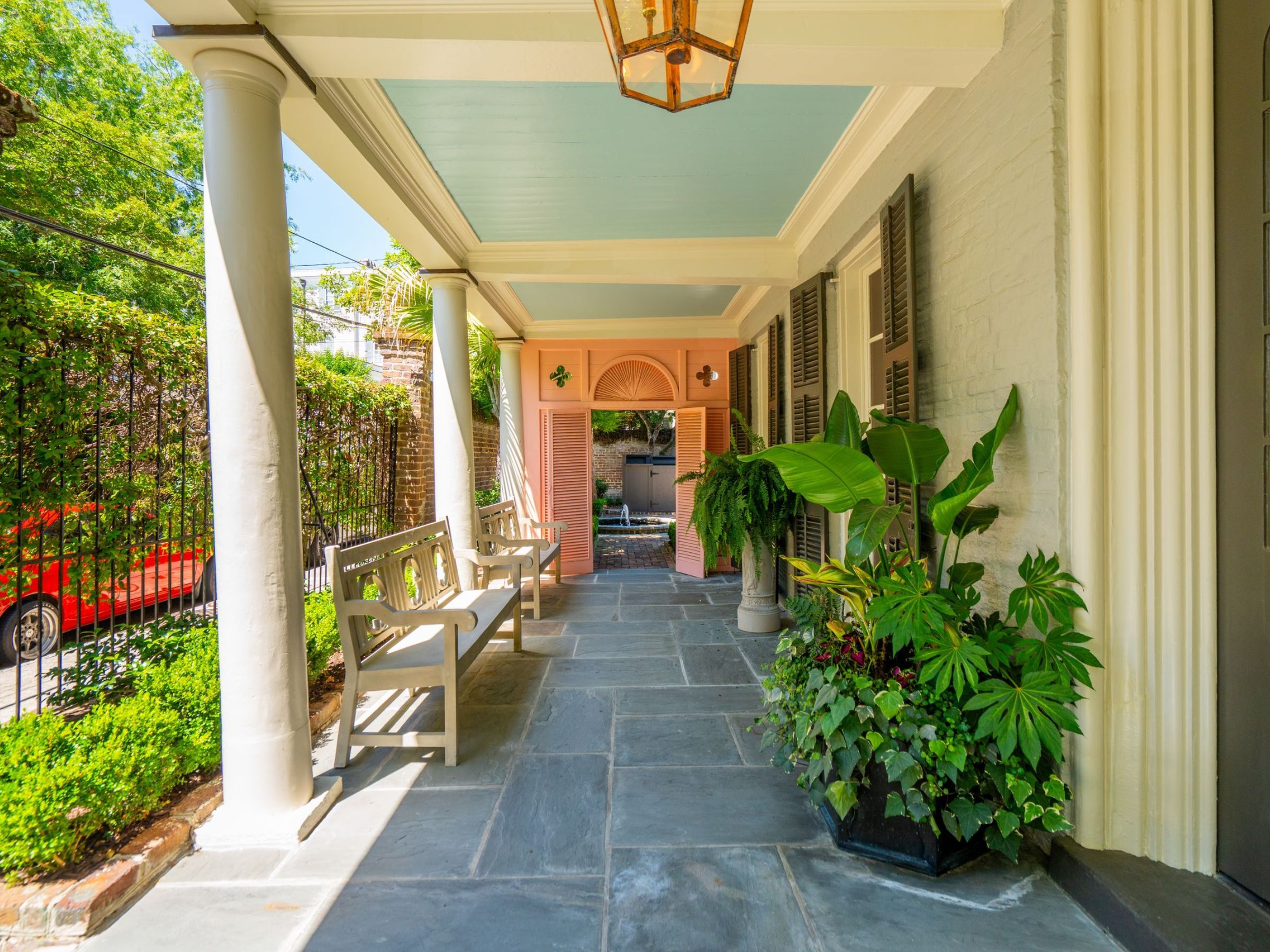
22 Lamboll Street Seller Representation 2026
Charleston's Difference
Charleston adopted air conditioning more gradually, thankfully.
Many stores still used ceiling fans into the 1950's and 1960's. It was always a relief to walk into Woolworth's on King Street on a hot day and stand under the fan by the entrance door. The Francis Marion Hotel became the city's first fully air-conditioned hotel in 1952. Residential cooling became common later with affordable window units. They were too ugly, too loud, and too expensive to run at my aunt's house, so we stuck with the window fan and the box fan to get us through the summer.
Preservation helped Charleston retain much of its older architectural character, including its iconic porches and outdoor living spaces. Thank you, Preservation Society of Charleston!
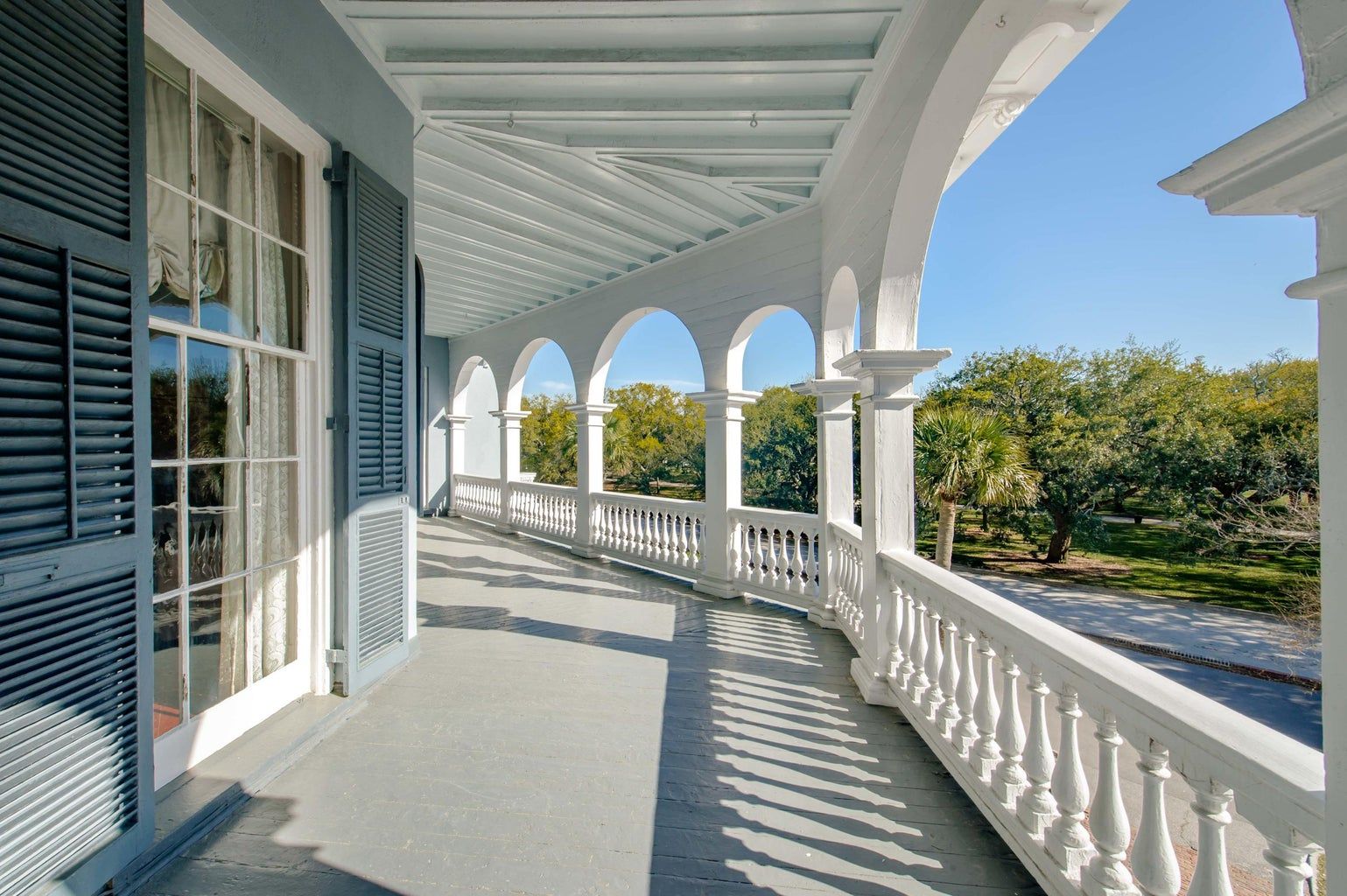
26 South Battery Street Seller Representation 2021
So, Has Air Conditioning Changed Us?
Yes--both practically and culturally. It made life more comfortable, supported economic growth, and reshaped Southern cities. But it also encouraged people to spend more time indoors. Where porches once extended daily life into the evening air, much of that life now happens behind closed doors.
Still, Charleston's porches remain a reminder of what came before: a slower rhythm of life shaped by breeze, shade, and conversation. Even in an air-conditioned South, that simple way of living hasn't entirely disappeared.
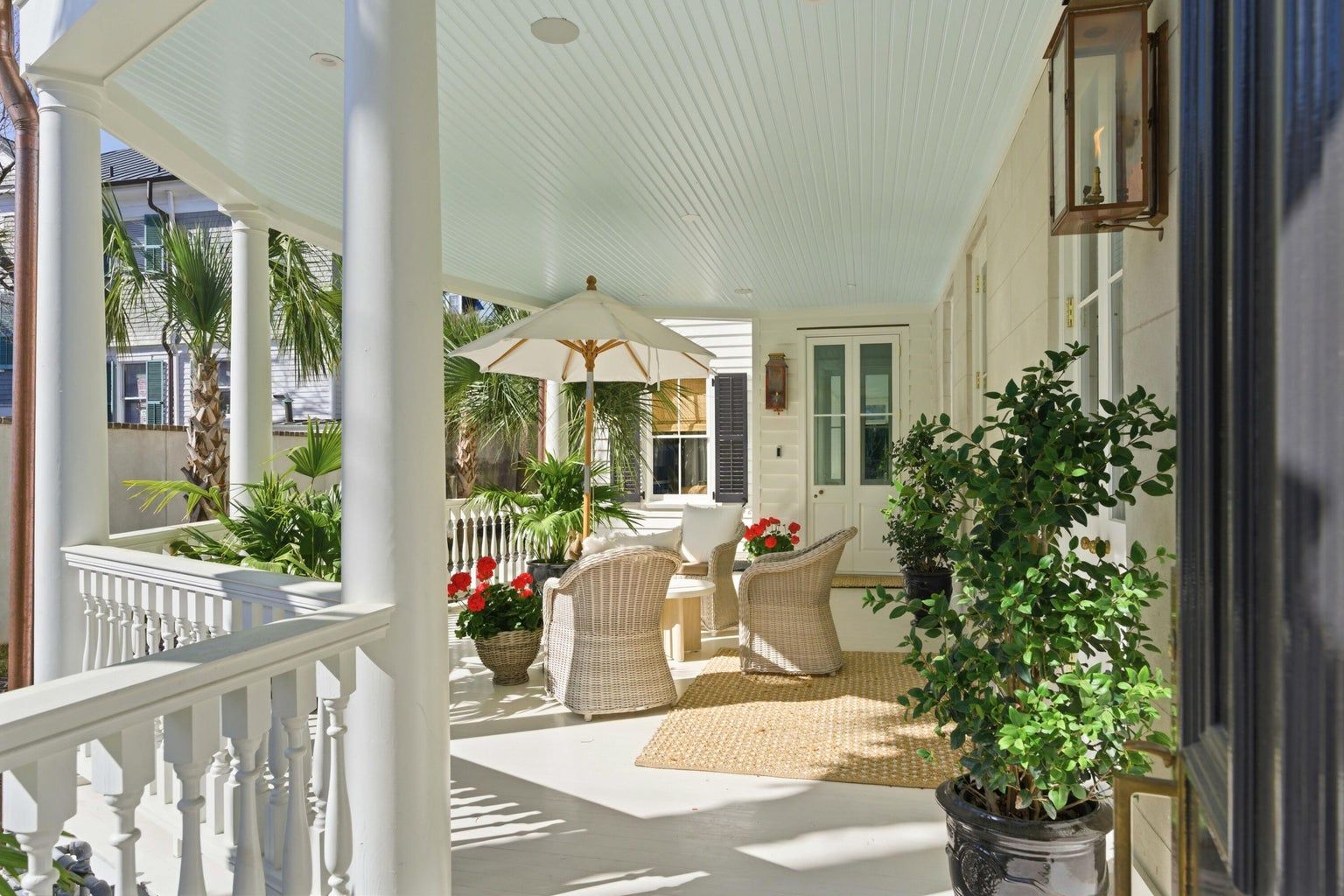
109 Rutledge Avenue Buyer Representation 2026
Want More?

Lois Lane
| Lois Lane Properties
or another way