
Published November 23, 2026
Thanksgiving, the Kiawah, and Lowcountry Oysters

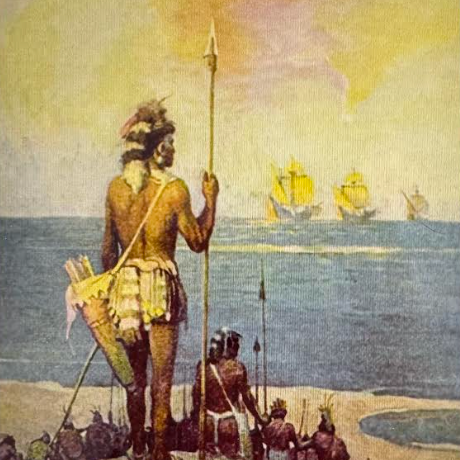
Did Charleston's first English settlers share a Thanksgiving feast with the Kiawah? We don't know much about Charleston's very first Thanksgiving, but we do know that the English settlers who sailed over from the Thames River in London were surely grateful just to be alive when they anchored in the Ashley River at Albemarle Point in 1670. Thankfully, the Native Americans—especially the Kiawah—helped them get their footing. They shared food, farming know-how, and traded with the newcomers, which made those first seasons far more survivable. When the settlers ran out of provisions, they turned to the Kiawah and other Indigenous communities for food.
Ten years later, in 1680, Charles Towne moved across the Ashley River to the peninsula between the Ashley and Cooper rivers. One account from 1680 puts the town's population at about 1,000. The English were already calling the site Oyster Point, a name historians trace to the banks of pale oyster shells left by generations of Indigenous shellfish harvesters. What we know today as White Point Garden still calls to mind those banks of shells.
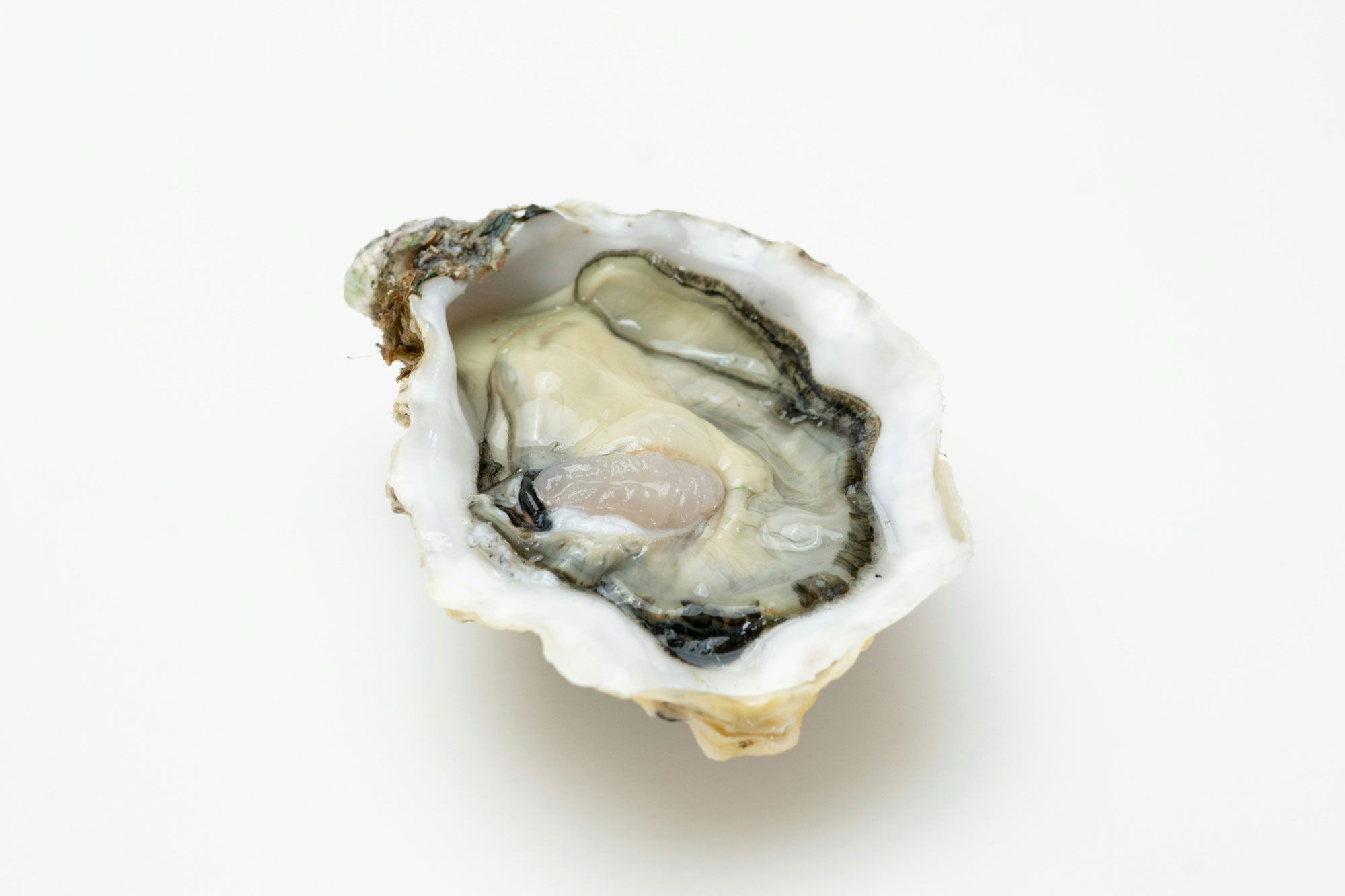
Indigenous communities had been harvesting Lowcountry oysters for thousands of years before the English arrived. As Charleston grew, oysters became a familiar part of city life. Vendors at the public Fish Market sold them by the quart, and by the early 1800s, oysters were being served raw on the half shell, fried, roasted, or simmered in stew.
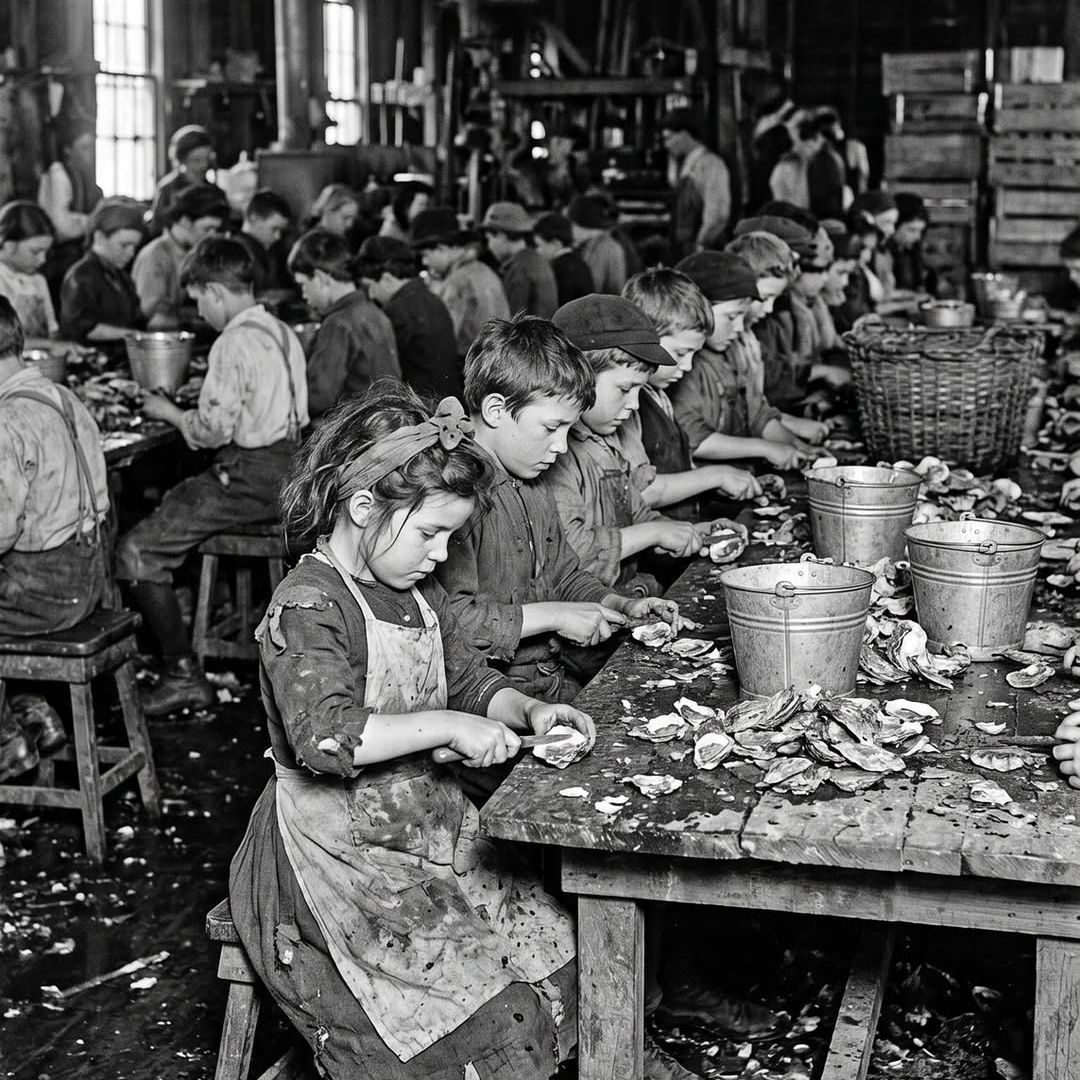
Young children working as oyster shuckers at the Marino Canning Plant in Beaufort, South Carolina, 1913.
Just across the river from downtown Beaufort, the Lady's Island Oyster Factory began in 1883 and grew into one of the Lowcountry's largest canneries. It packed oysters from September through May, then switched to tomatoes and okra for the summer. By 1929, it was the world's largest producer of cove oysters, and in the 1850s it employed more than 300 people.
Back to my favorite holiday, Thanksgiving. For me, a Lowcountry celebration wouldn't be quite complete without oysters—in dressing, baked in a casserole, or enjoyed all on their own. My cousin Weldon makes the best fried oysters, always cooked outside. I'm convinced the fresh air makes them taste even better!
We will be enjoying them on our annual Thanksgiving camping trip to Huntington Beach State Park next week, and I can hardly wait. Good food, family, hound dogs, and a little time outdoors.
What We're Thankful For at Lois Lane Properties
Ellery is thankful that Sophia and Jameson look forward to school each day and have each found a sport they love.
Keelin is grateful for all the time she's spent with her big family this year. A highlight was cheering on her brother Dean, a nine-year cancer survivor, as he paddled in a 31-mile open canoe race in Chattanooga. Her heart is full.
Ruthie is grateful for the four shining stars in her life, her grandchildren. They remind her every day how lucky she is. She's also thankful for her real estate family and the clients who have become friends.
Ginger is thankful for her mother, who holds the family together. Thanks to her, Ginger and her siblings are close friends who love spending time together and always show up for one another.
Ann Maxwell is thankful for her family and her precious Braque Francais, a pointing dog breed, named Remus.
As for me, I'm grateful for the hard-won freedom we cherish today and for my ancestors who risked so much fighting for it in the South Carolina backcountry.
Want More?
Lois Lane
| Lois Lane Properties
or another way