
Published February 24, 2026
Waterfront Park Then and Now

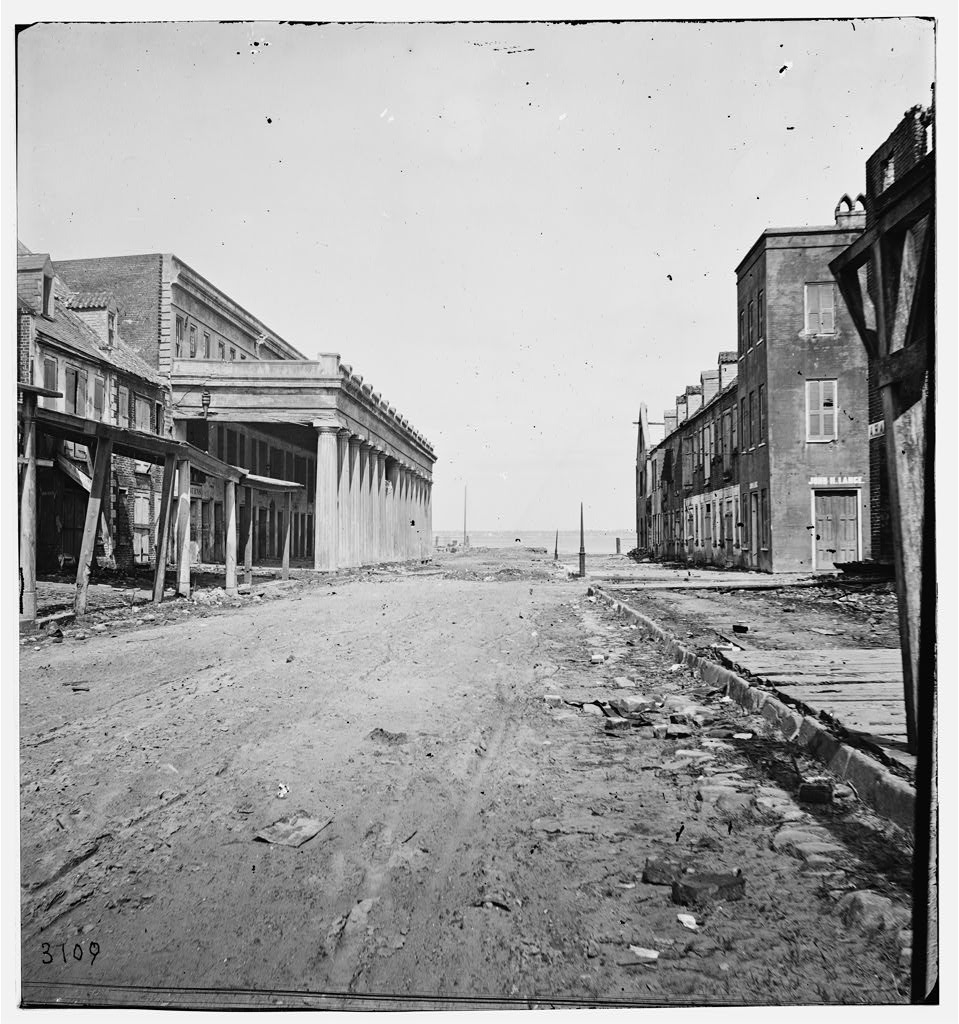
What Used to be Here?
Not long ago, I was chatting with some friends of a client who was checking out a property for sale at One Vendue Range in downtown Charleston. They asked a question I hear all the time when I’m showing newer buildings downtown: “So, what used to be here?” I told them that most recently, it was a big dirt-and-gravel parking lot—the same one a lot of us used back in the day when we headed to nearby bars. But before that, this spot was home to bustling wharves, shipping terminals, and something many folks don’t know: a thriving passenger steamship port. It’s amazing to think how many stories this little stretch of waterfront could tell.
All Aboard for Adventure: The Clyde Steamship Line
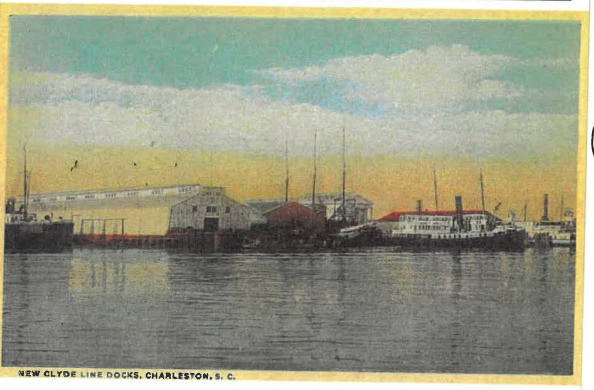
The Clyde Steamship Line was founded in 1844 and originally connected Philadelphia with ports along the East Coast. In 1869, Charleston was added to the company’s coastal route, and by the early 1900s, the Clyde Line—later known as the Clyde-Mallory Line—was in its prime. Charlestonians could climb aboard elegant passenger steamships four times a week, setting sail for a sea voyage north or south.
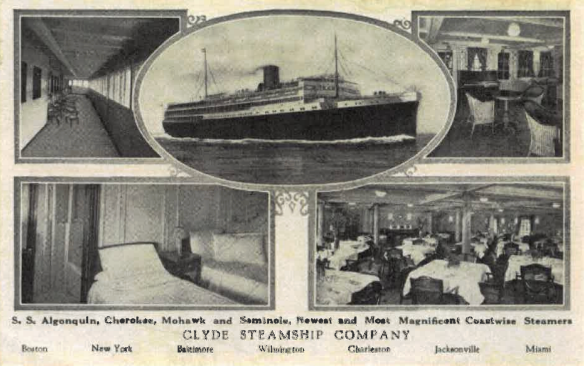
The Cherokee and Seminole made regular stops here on their two-and-a-half-day journeys between New York and Jacksonville, Florida. These ships, along with their sister vessels Algonquin and Mohawk, were impressive feats of engineering, measuring 402 feet long and 55 feet wide. They could accommodate 446 passengers and carry over 250,000 cubic feet of freight, with even larger ships like the Iroquois stepping in during peak demand. This sounds like my kind of adventure!
Luxury Life on the Charleston Waterfront
Contemporary newspapers and visitor guides raved about the luxury onboard these vessels. The social halls, corridors, and smoking rooms were large and attractively furnished, while the staterooms were considered cozy and well-ventilated for the era. In the summer, shaded promenade decks offered cool lounging spots, while in winter, they provided the perfect place for brisk walks in the crisp sea air. It’s delightful to imagine that era—when stepping aboard one of these grand steamships from right here in Charleston meant the beginning of an elegant coastal adventure. The passenger service continued until 1942, when the ships were reassigned to the war effort, leaving generations of Charlestonians with fond memories of buying tickets at the office on the corner of Vendue Range and East Bay Street, which is now part of The Vendue Art Hotel.
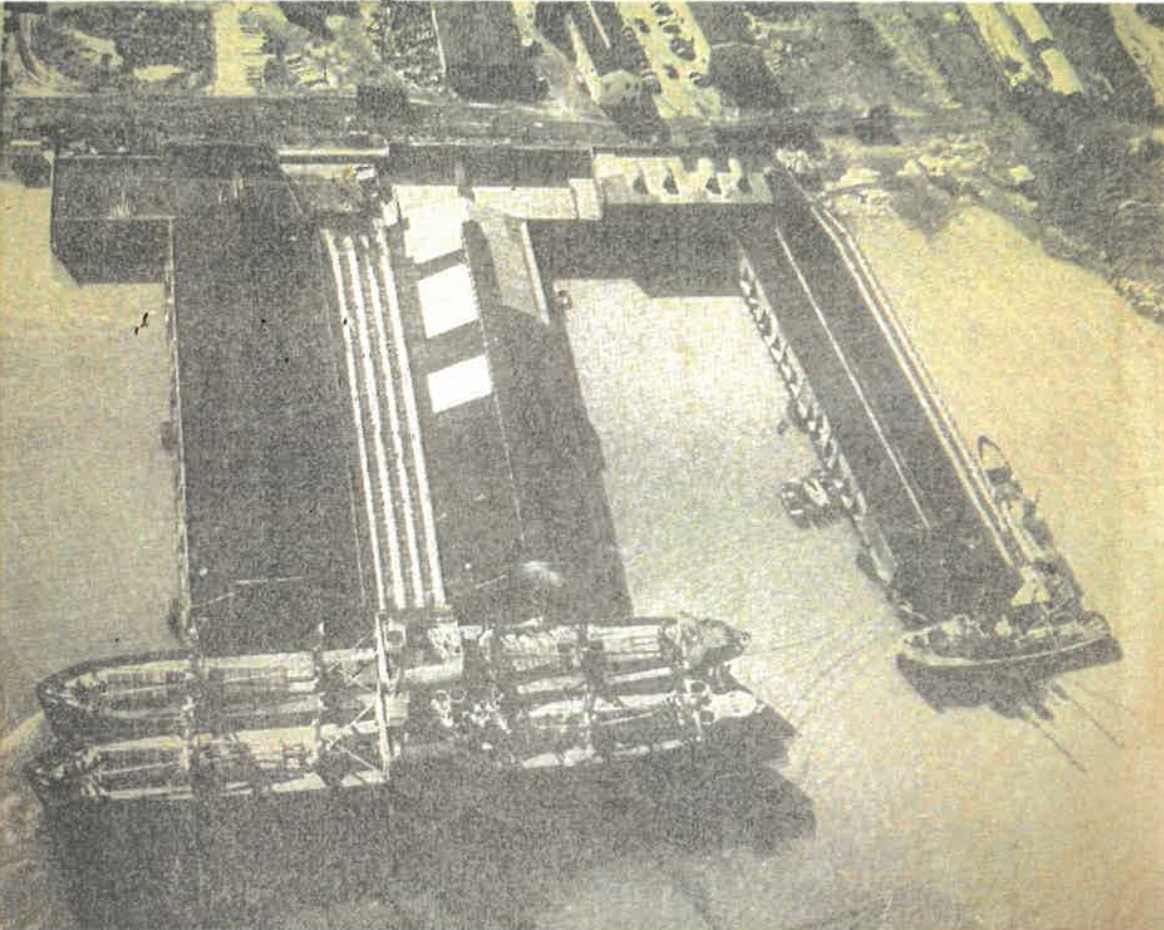
The Clyde Line Terminals on Prioleau Street facing Vendue Range were sold to Tidewater Terminals in 1950. By this time, silting confined ships to the dock heads. Photo: News & Courier 07/24/1950
The transition from a bustling port to a park wasn't a peaceful one. The Clyde Line Terminals were sold to Tidewater Terminals in 1950, but by then, silting had begun to confine larger ships to the dock heads. On June 17, 1955, tragedy struck when a massive fire tore through the 11,000-square-foot terminal complex, burning everything to the ground. More than 550 firefighters and service members fought the blaze using 15 fire engines and six boats. Winds carried burning debris as far as King Street, and even the steeple of St. Michael’s Church briefly caught fire. Thankfully, there was no major damage to the church, but that night went down in history as Charleston’s worst waterfront fire.
From Ashes to Joe Riley Waterfront Park
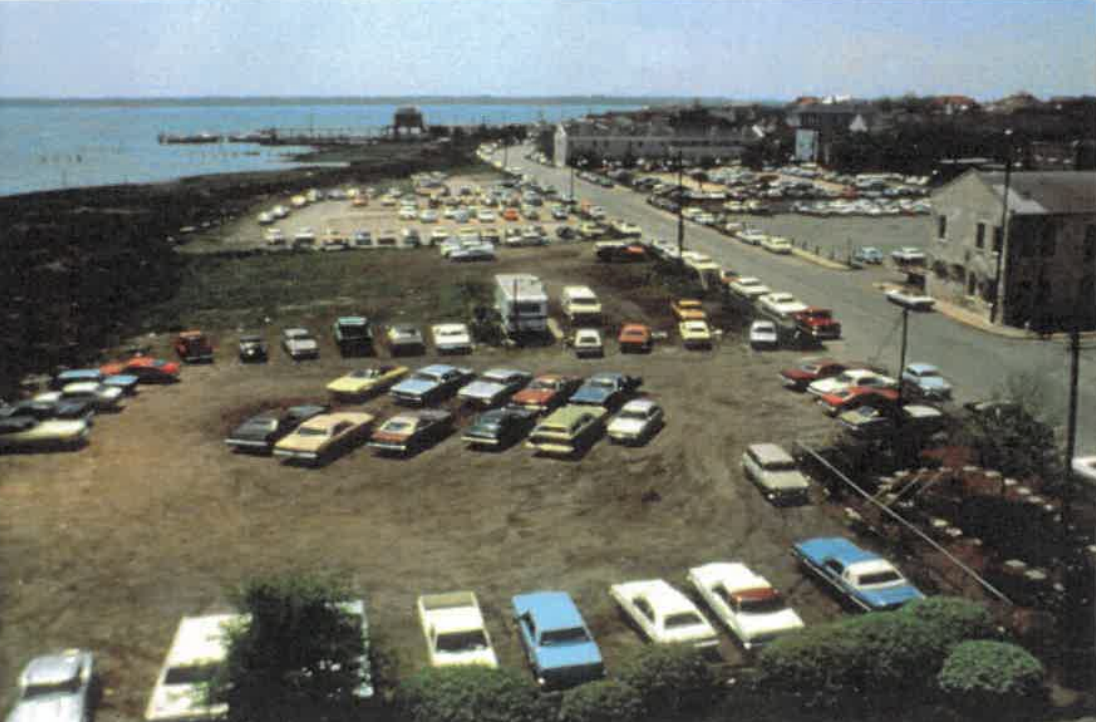
The 1979 waterfront blight. Bottom: Joe Riley Waterfront Park. Photos: Sasaki & Associates.
After the fire left the docks in ruins, this stretch of Vendue Range fell into neglect, becoming an overgrown patch of gravel and charred pilings. However, a turning point arrived in 1976 when local philanthropists Charles and Elizabeth Woodward donated funds for the restoration of Adger’s Wharf. This vision sparked the imagination of newly elected Mayor Joe Riley, who developed a plan for a larger park to reconnect the city to its harbor. After a decade of careful planning, Charleston Waterfront Park opened in May 1990. In 2015, it was officially renamed Joe Riley Waterfront Park in honor of the mayor’s four decades of service.
Find Your Own Piece of Charleston History
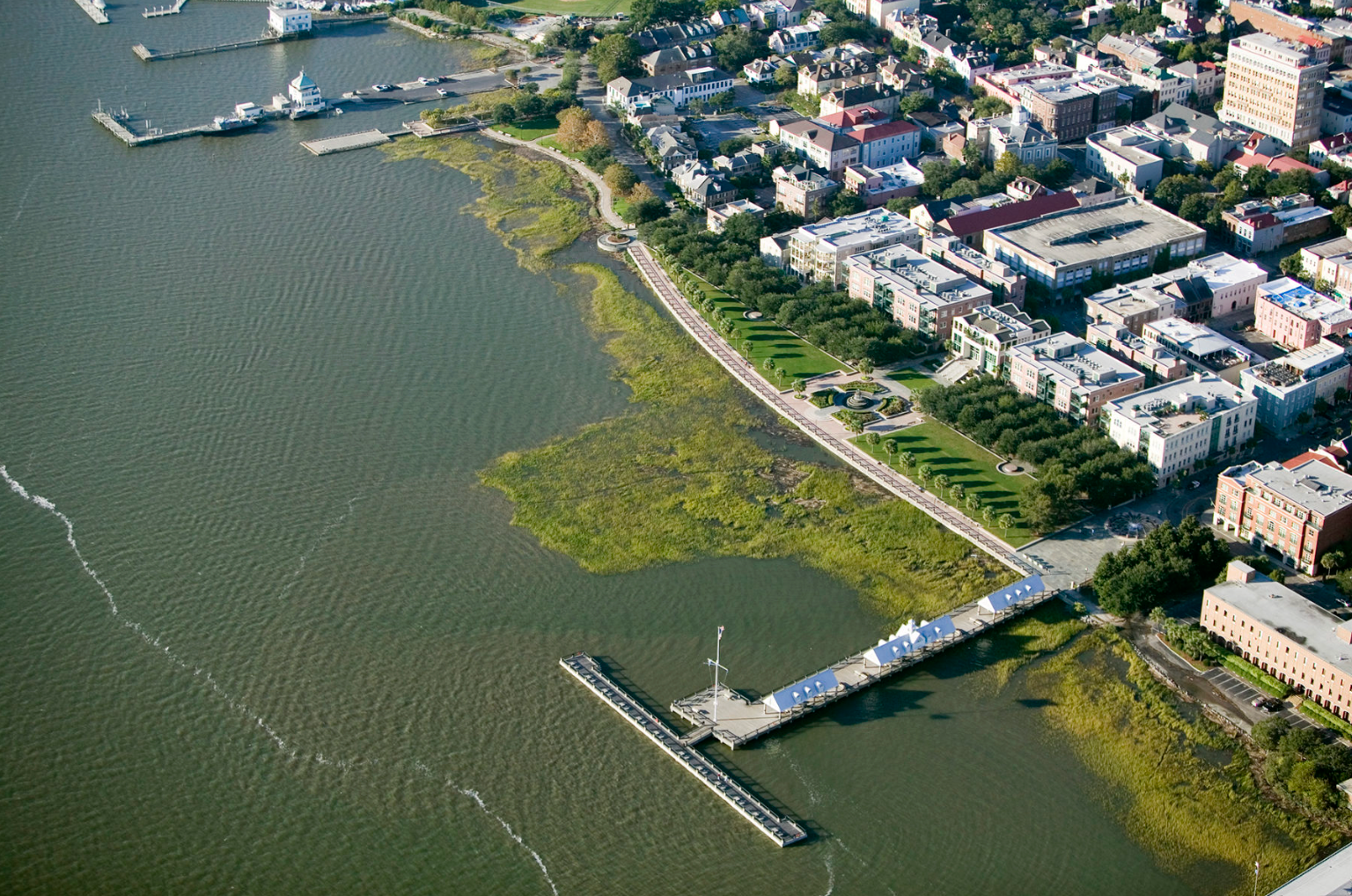
From bustling wharves and grand steamships to devastating fires and urban renewal, this little piece of Charleston’s waterfront has seen it all. Next time you stroll along the pier or sit under the oak trees by the fountain, just imagine the echoes of that history — and the countless voyages that began right here.
Whether you are looking for a modern residence at One Vendue Range or a historic home tucked away in the French Quarter, we specialize in helping clients find properties that offer both luxury and a deep connection to Charleston's storied past. If you’re curious about the history of a specific neighborhood or want to explore available listings along the waterfront, reach out today. Let’s find the perfect place for your next chapter to begin.
Want More?

Lois Lane
| Lois Lane Properties
or another way